

Ever find a tool so good you start using it everywhere and tell everyone about it? That’s Nuelink.
And that’s exactly what happened with Dustin Miller, the creator behind PolyInnovator, when he used Nuelink to automate his workflow and rack up over 500,000 views in just 7 days!
At Nuelink, we build tools that help creators share their content consistently across platforms, without spending hours posting manually.
Meet Dustin!👋
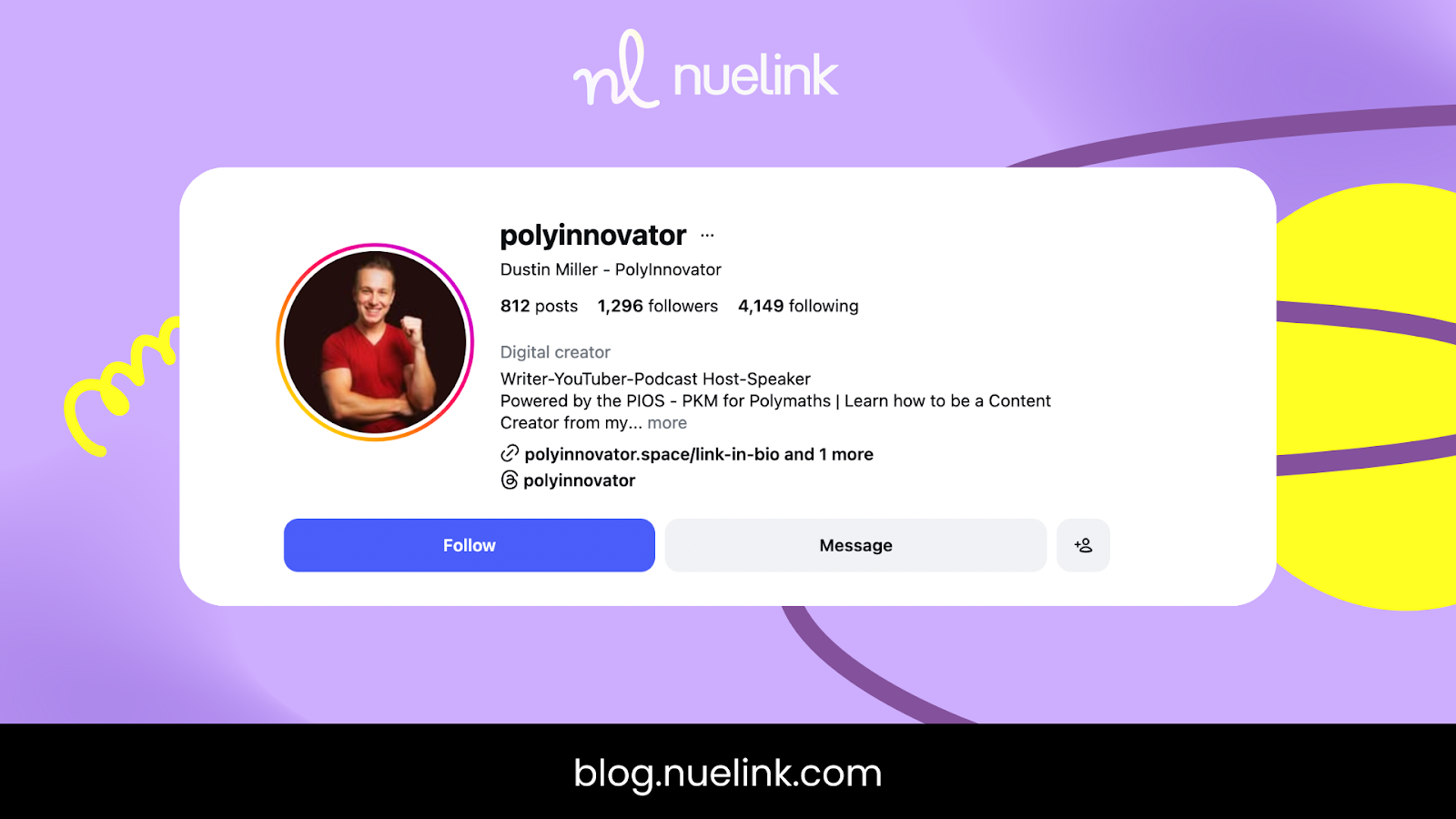
Dustin Miller is the creator behind PolyInnovator, a personal brand and content hub made to help multidisciplinary people improve their lives. His vibe?
Making content is one thing, but getting it seen is a whole other story. Posting everywhere manually takes forever and eats up time he could spend creating more.
That’s where Nuelink came in, his secret weapon (well, It’s not a secret anymore) to automate posts, scale his content, and keep things consistent, so he can focus on what really matters: creating.
The Challenge: Too Much Content, Too Many Channels 😮💨
As the creator behind PolyInnovator, Dustin manages a wide ecosystem of content:
⭐️ Podcasts with creators and experts
⭐️ Educational videos
⭐️ Social media posts and clips
⭐️ Framework for self-education, self-improvement, and self-development
⭐️ Long-form educational content on his YouTube channel
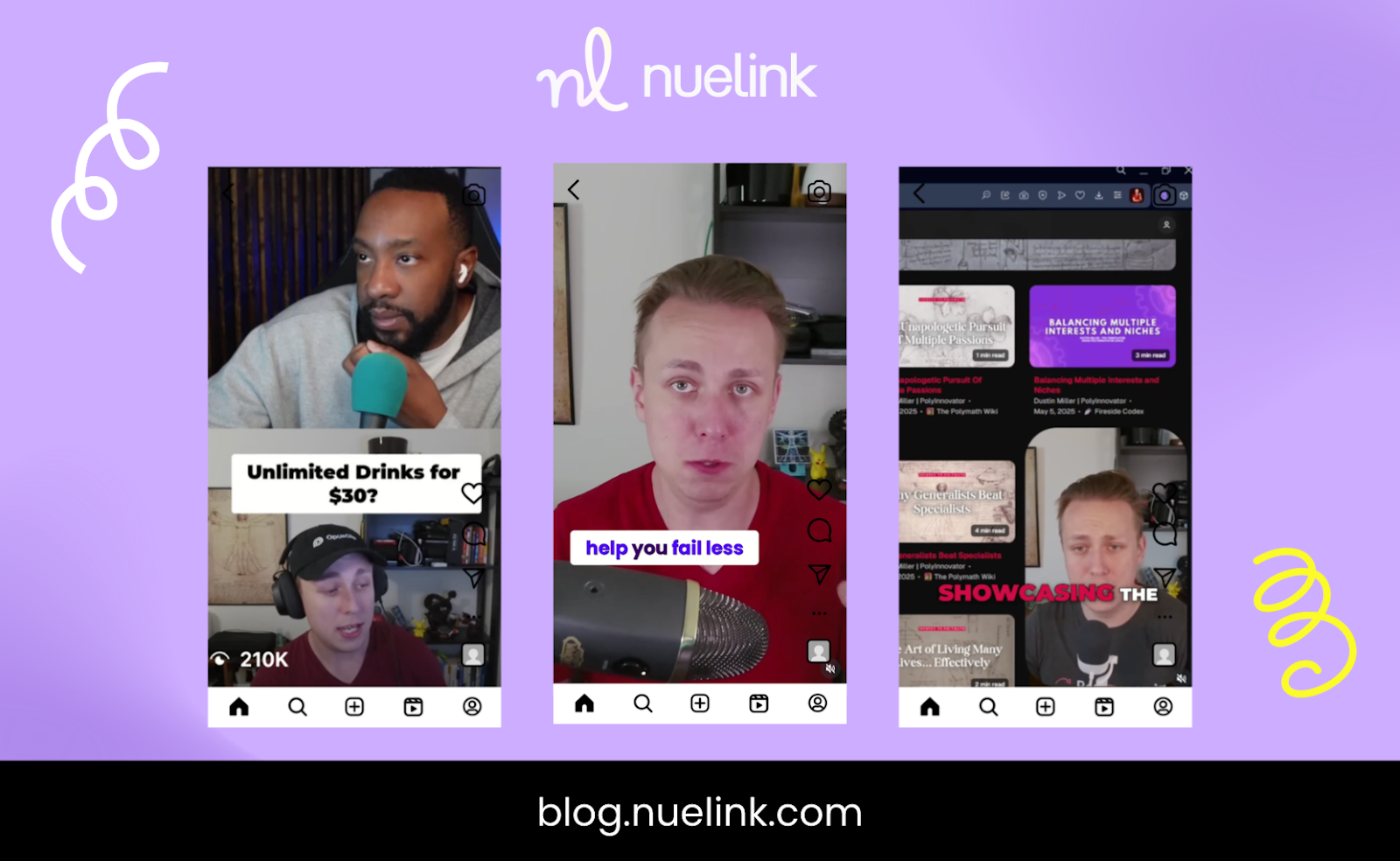
Over the years, he has interviewed several notable guests such as:
- Travis W Keyes, a photographer and creative entrepreneur
- Leonardo Barilaro, a musician, composer, and aerospace engineer known for combining space science with music
- GeleenOnTheGo, a travel and lifestyle creator who shares experiences and adventures from around the world
With this wide range of content and collaborations, Dustin experimented with several tools to streamline the process, but most solutions struggled to support the kind of bulk scheduling and automation workflows he needed.
Making Nuelink Part of the Workflow
After discovering Nuelink, Dustin started building a fully automated content system. Instead of manually posting every update, he began scheduling content in batches, using bulk create, collections, and letting automation handle the rest.
🟣 Collections: Organize Once, Post Automatically
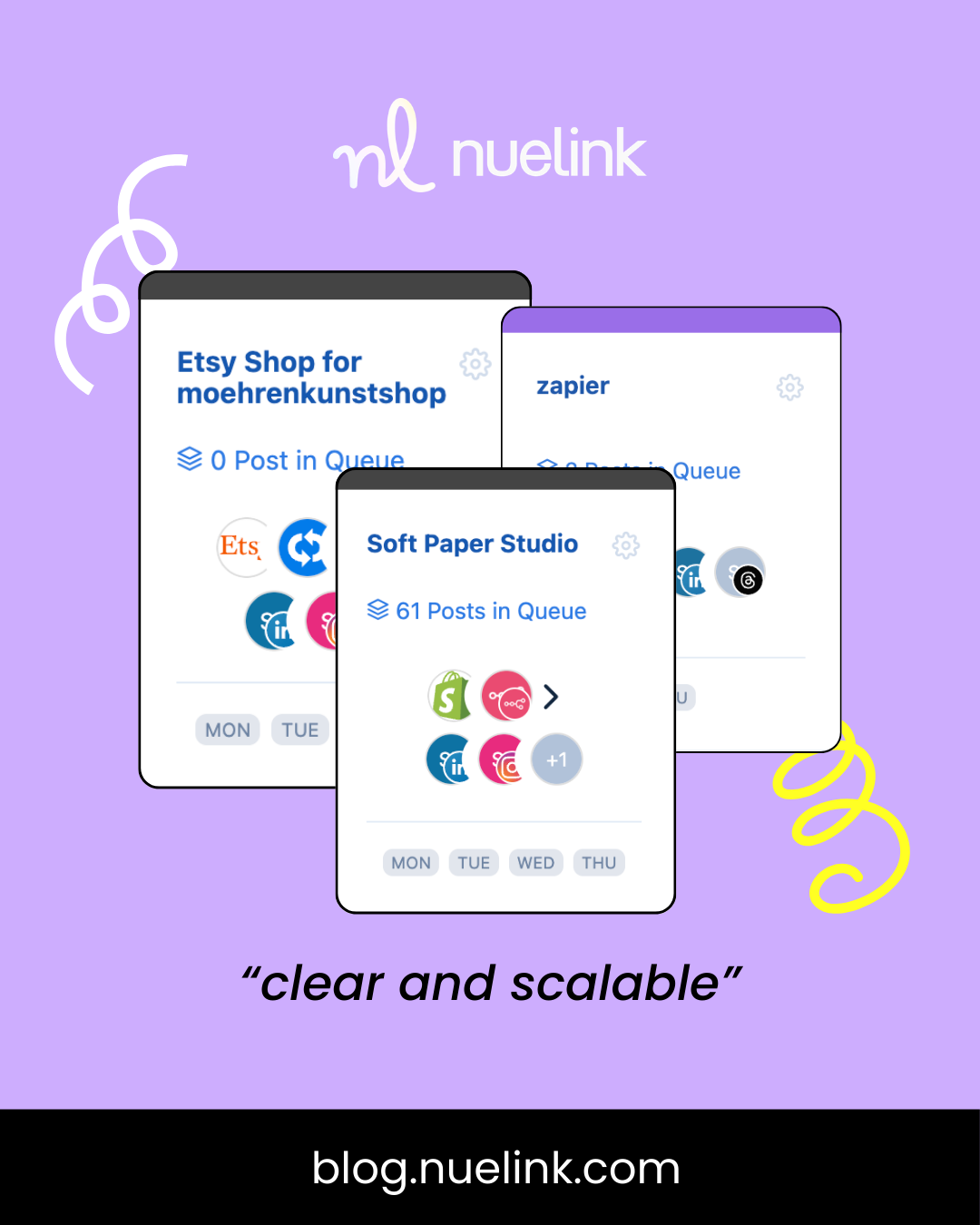
Collections work like smart folders for posts, each with its own theme, social channels, and posting schedule.
- Set it once, posts automatically queue for the next available slot
- Organize content by theme or type to keep feeds on-brand
- Save time by letting Nuelink decide where and when posts go
🟣 Bulk Create: Post More, Stress Less
Instead of uploading content one by one, Dustin imports many posts at once.
- Upload multiple videos or images in a single batch
- Save hours of repetitive work
- Stay consistent across all social platforms
His workflow now looks like this:
⭐️ Create content (podcast, video, or educational post)
⭐️ Prepare captions and visuals for social media
⭐️ Upload, bulk create posts, and organize them into collections in Nuelink
⭐️ Let automation distribute and recycle content across platforms
This simple shift keeps his content active online while he focuses on producing new ideas.
Over 500,000 Views in Just 7 Days
With a consistent publishing system in place, Dustin’s content began reaching a wider audience.
By scheduling and distributing content through Nuelink, his posts continued circulating across platforms, driving engagement and visibility.
Within just 7 days, his content generated over 500,000 views.
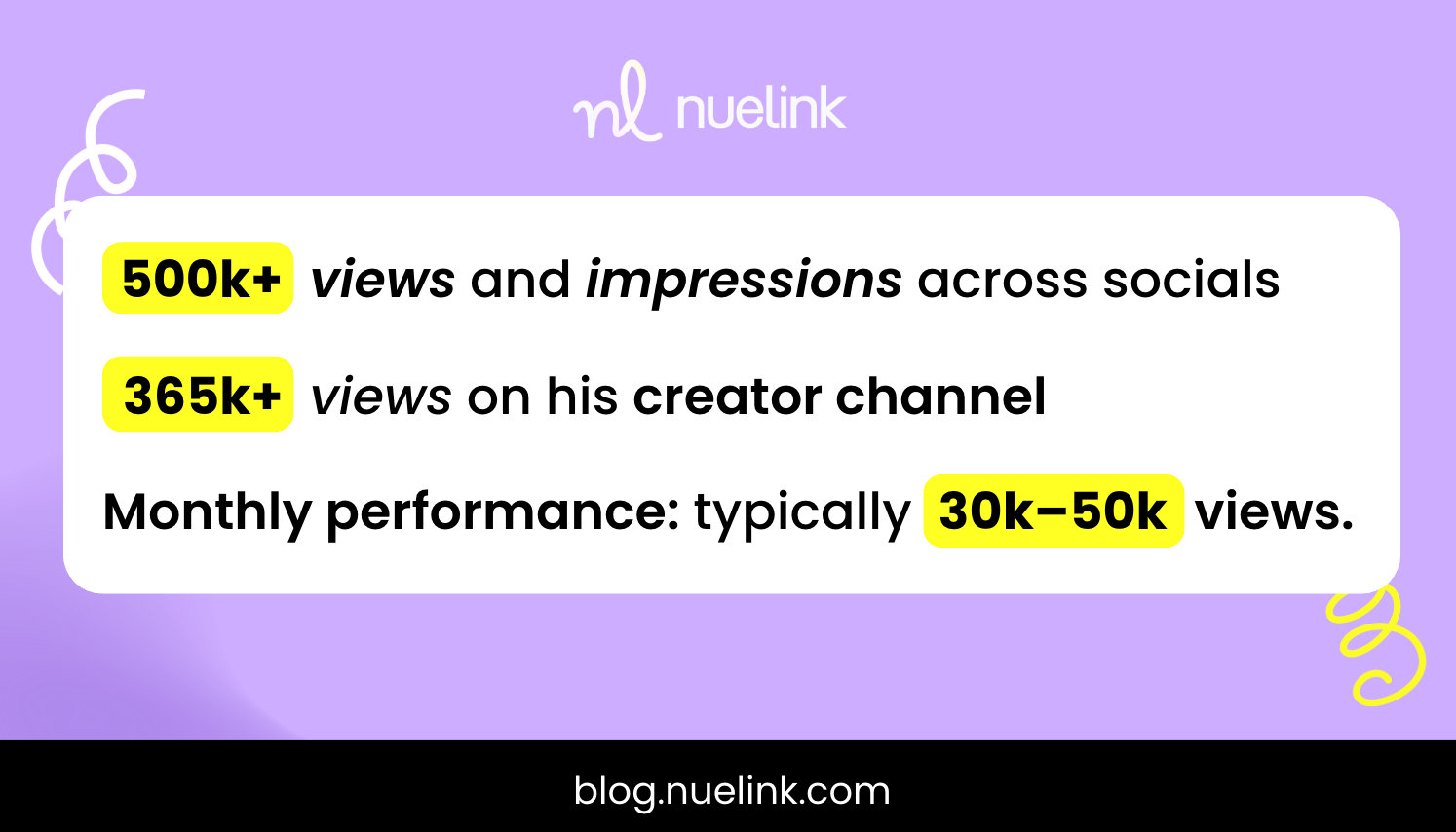
- 500,000+ views and impressions across social platforms
- 365,000+ views on his creator channel alone
- Monthly performance: typically 30,000–50,000 views, largely driven by short-form clips
The key wasn’t posting more content.
It was distributing existing content more effectively with the right tool.
Advice for Creators Managing Multiple Platforms 📝
For creators juggling podcasts, videos, and social posts, the key is building systems instead of relying on manual posting. Automation tools like Nuelink make it way easier to stay consistent and grow.
Some tips Dustin recommends:
- Use collections to organize content by topic, series, or type so you can schedule smarter
- Bulk create posts to save time when you have multiple pieces of content ready to go
- Maintain consistent publishing schedules across platforms
- Recycle evergreen content so your best posts keep working for you
Consistency is what separates content that grows from content that disappears. With the right tool, you can make it happen.
Ready to Simplify Your Content Workflow?
Dustin’s experience shows how the right automation system can help creators reach more people without increasing their workload.
Start building your automated content system today:


