

Later started in 2014 as Latergramme, a visual planner for Instagram that lets users drag and drop posts onto a calendar.
The company rebranded to Later in 2016 and gradually expanded to include Facebook, Twitter (X), Pinterest, LinkedIn, and TikTok.
In 2023, Later acquired the influencer-marketing platform Mavrck and, by 2024, its homepage headline promised “unforgettable influencer marketing for legendary brands.”
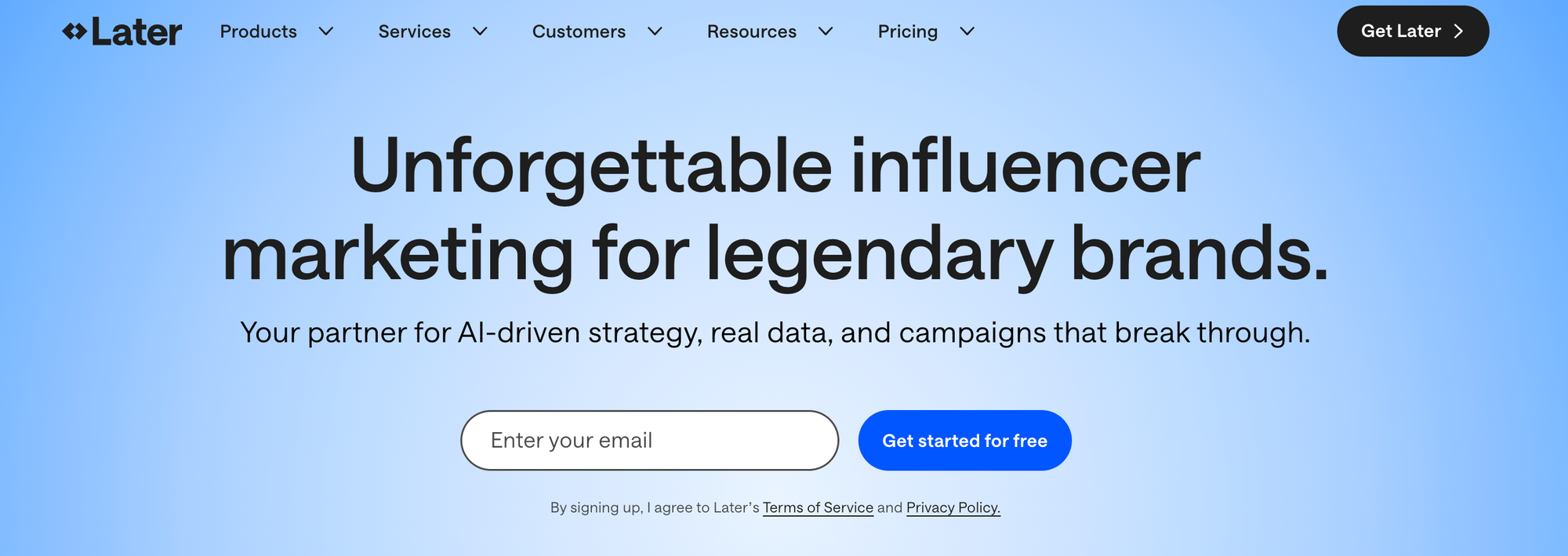
This pivot signaled a major shift: Later is now positioned as an influencer-marketing solution rather than just a social media management tool.
Later produced helpful tools, features, and solutions to help with influencer marketing.
However, this raises an important question: Is Later still a strong social-media management tool, or has the shift to influencer marketing pulled focus away from its traditional management features?
In other words... If someone has zero interest in influencer marketing and only wants a social-media management and automation tool, does Later still make sense? Or is it smarter to consider other alternatives?
Let's see...
Later Pricing
Later offers three core social media plans.
Later’s pricing looks simple on paper, but each tier introduces limits that matter for daily social-media work.
⚠️ Please note that these prices are for social media management, not for influencer marketing services.
Starter – $25/month
This is the entry-level plan, and it comes with strict posting limits: you can schedule up to 30 posts per profile, which is low for anyone posting consistently across multiple channels. It includes a small bundle of AI credits (5/month) meant to sweeten the plan, but not enough to rely on for serious content production.
You do get support for Snapchat, which is rare among social-media tools and a genuine advantage if your audience is active there. But beyond that, the Starter plan is limited.
Growth – $50/month
The Growth plan is labeled as “Most Popular". You can schedule up to 180 posts per profile, add one more user, and gain internal + external approvals, a social inbox, and more AI credits.
Scale – $110/month
The Scale plan removes the scheduling caps and adds deeper analytics (custom analytics, competitive benchmarking, industry insights). You also get more AI credits and priority support.
How Later Scores on Review Platforms
Capterra / Software Advice:
Later averages roughly 4.4 – 4.5 out of 5.
Users like the clean interface and visual planner, but they complain about post limits, weak analytics, and the need to upgrade for basic features.
G2 / GetApp:
Later holds around 4.5 / 5 on G2 and 4.4 / 5 on GetApp.
Reviews praise the drag-and-drop calendar and link-in-bio tools. However, users note that Later lacks deep automation.
Trustpilot:
Later performs far worse on Trustpilot, with a rating of 1.7 / 5. Negative feedback cites limited platform coverage.
These mixed reviews show that Later’s influencer-centric direction and pricing have frustrated many users who originally adopted it for simple scheduling.
Why Later Users Look for Alternatives
1 – Influencer-first product direction
Later now markets itself as an influencer-marketing platform. Its homepage is dominated by creator discovery, campaign management, and influencer reporting. Users who just need to plan and publish social posts feel pressured to pay for features they don’t need. This shift leaves agencies and small businesses searching for tools that prioritise everyday scheduling and collaboration.
2 – Limited automation and platform integrations
Unlike modern schedulers, Later doesn’t offer automated republishing, recurring queues, or integrations with ecommerce, podcast, or blogging platforms.
Users who want hands-off automation and cross-platform workflows find Later lacking.
Also, the range of the social media platforms that Later supports is lower than the average social media management tool out there.
For example, Later doesn't support Bluesky, Mastodon, Telegram, and Google Business.
3 – Posting limits and basic analytics
Entry-level plans cap the number of posts you can schedule each month.
You can only post 30 posts a month per profile in the $25/month plan!
Even paid users must upgrade to get unlimited posting.
3 Strong Later Alternatives for 2026
1. Nuelink – automation for social, ecommerce, and content
Why it’s better:
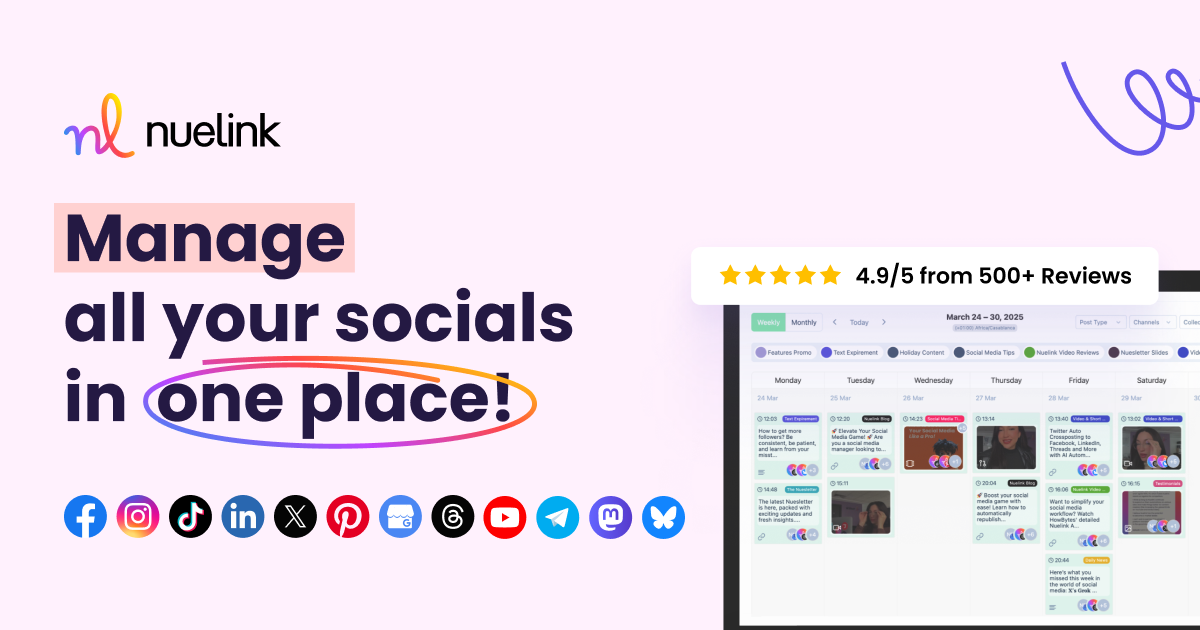
Nuelink goes beyond simple social scheduling. It connects directly with e-commerce platforms like Shopify and Etsy, podcast hosts like Spotify and Captivate, and blogging tools such as Ghost and Medium.
When you publish a new product, blog post, or podcast episode, Nuelink automatically shares it across your social channels with AI-generated captions and hashtags.
The platform offers collections to organise content, built-in link-shortening and analytics, client workspaces, and unlimited queues.
Integration with tools like Zapier, Make, and IFTTT opens the door to endless workflows.
2. Metricool – analytics-first social management
Why it’s better:
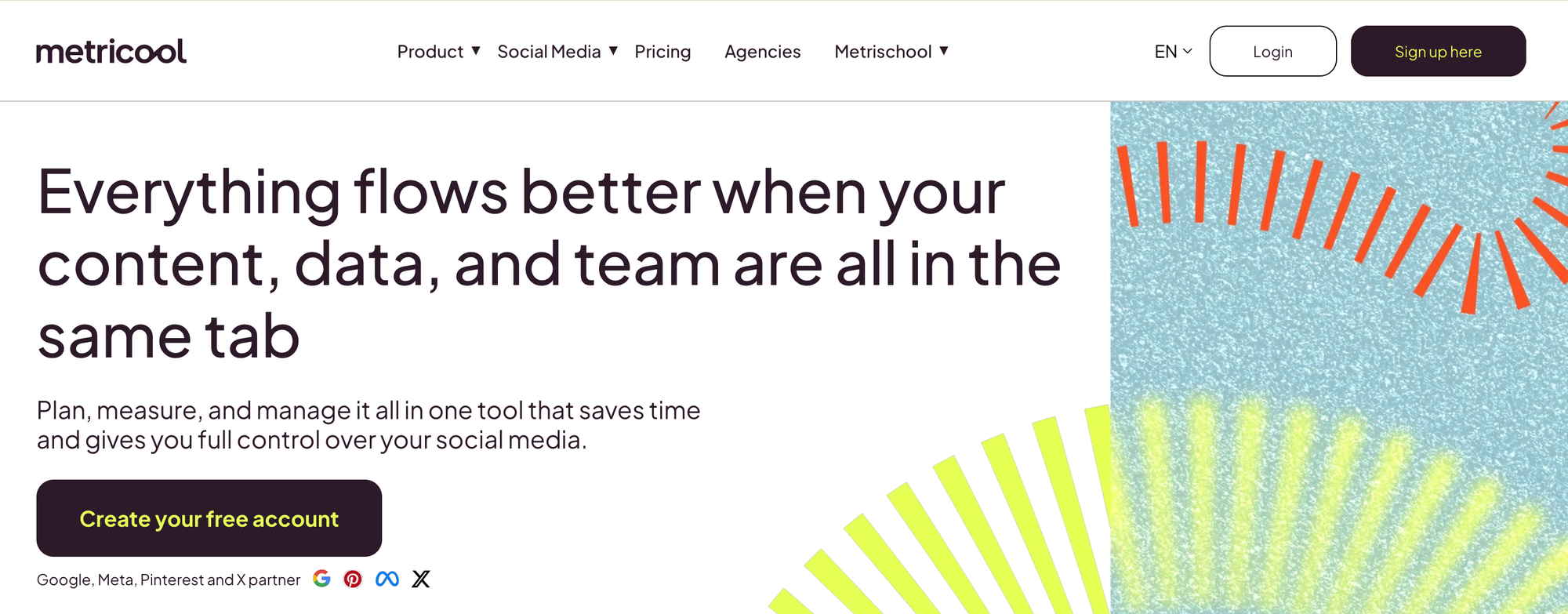
Metricool is built for teams that need deep data. Launched in 2016, it unifies social accounts and web analytics into one dashboard. Features include advanced analytics, competitor monitoring, historical data, SmartLinks, an AI copywriting assistant, and Ads.
Users can schedule posts, run ad campaigns, analyse competitors, and generate automated reports without juggling multiple tools.
Even though Metricool pricing is close to Later, they have no mention of limits on posting. And they support a wider range of social media platforms.
3. Loomly – collaboration and brand consistency
Why it’s better:
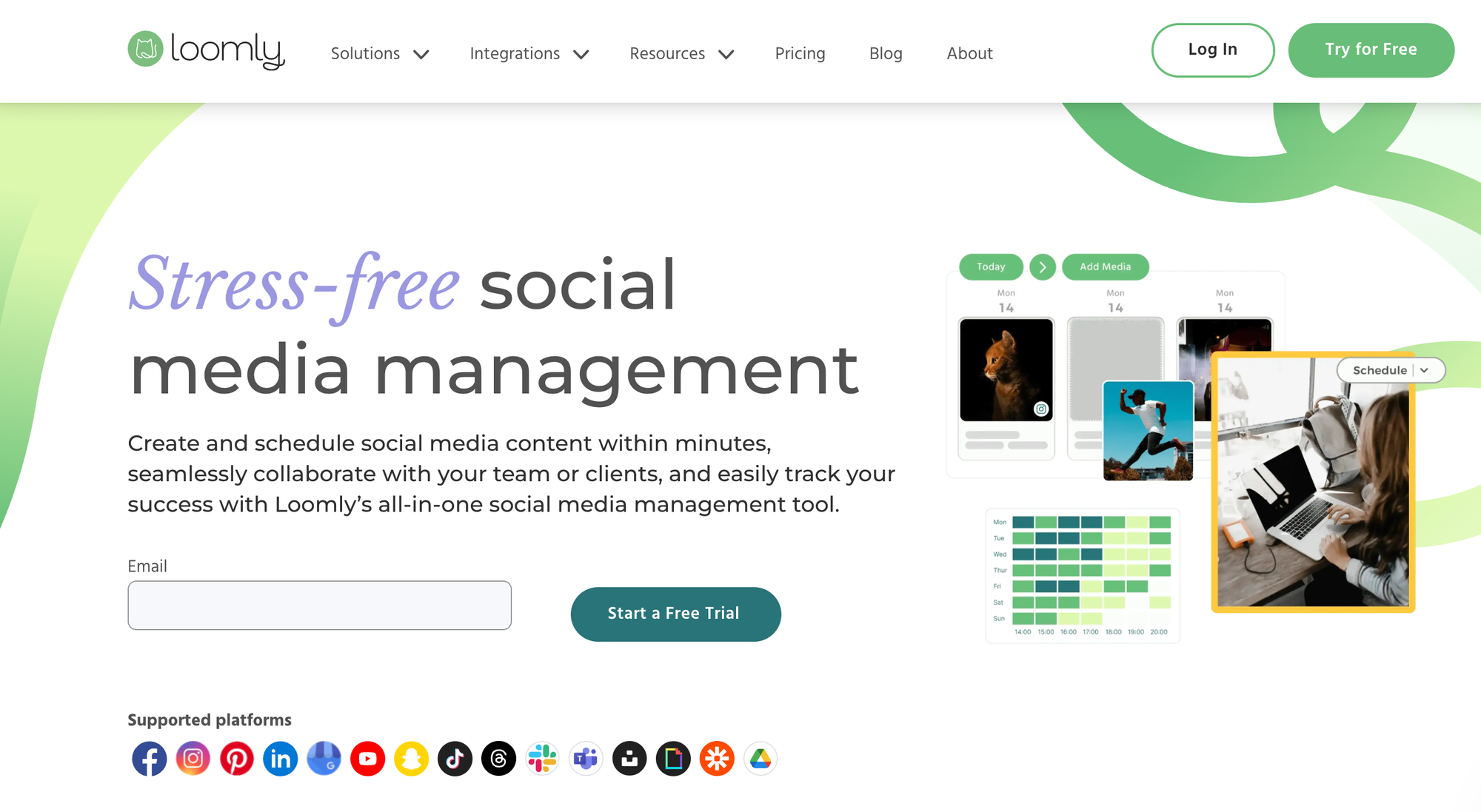
Loomly focuses on collaboration and brand management. Its platform includes approval workflows, team roles and permissions, content inspiration tools, and a built-in asset library.
Teams can create, schedule, and publish posts across Facebook, Twitter (X), Instagram, Pinterest, LinkedIn, Google Business Profile, YouTube, Snapchat and TikTok.
Loomly also provides a URL shortener and easy access to built-in editing tools to keep brand assets consistent.
Conclusion
Later redefined itself from a simple Instagram scheduler to an influencer-marketing platform, adding creator discovery and campaign tools while ignoring a bit of automation and scheduling. This shift, coupled with posting limits, has left many users searching for alternatives.
Tools like Nuelink, Metricool, and Loomly offer broader automation, deeper analytics, and stronger collaboration.


